
On this page
What happens at an RMT appointment in Ontario is, to a degree that surprises people, up to you. Walking you through how much of the visit is yours to decide is what this post is for (spoiler: it’s more than you’d guess). Our page on registered massage therapy in Waterloo covers the service itself, so here we can stay with the visit: what actually happens, and what you get to say about it.
The questions that actually stop people from booking a first massage? Almost never about technique. They’re about whether you’ll have to undress, whether somebody is going to hurt you, and whether you’re allowed to say something if you’re uncomfortable. All fair questions, and the honest summary of everything below is that more of it is your call than most people realise.
The word “registered” is doing real work there
In Ontario, massage therapy is a regulated health profession. “Massage Therapist” and “Registered Massage Therapist” are protected titles, so not everyone offering massage is permitted to use them. Better still, the College of Massage Therapists of Ontario keeps a public register you can search before you ever book: registration status, practice location, conduct history, all of it sitting there for you.
Would I encourage you to actually use it? Genuinely, yes, for any regulated provider you’re considering, and that includes us.
That regulation is what makes this a regulated health appointment. It sets standards for consent, privacy and draping, communication, infection control, record-keeping, and what a clinic is allowed to say in its own advertising. Which is why you’ll notice this post being careful about what it claims.1234
Before anyone touches you
An Ontario RMT appointment is supposed to start with you, not with a routine. That means your relevant health history, a real conversation about what you’re actually hoping to get out of it, and an assessment. From there, a treatment plan tied to your goals, not a standard sequence applied to whoever’s on the table. Your response gets monitored as treatment goes along, and the plan is meant to change if it needs to.
Please do mention relevant health conditions, medications, pregnancy, any skin infection or open wound, recent surgery or injury, and anything new or unexplained. Your therapist may modify what they do, postpone, or refer you elsewhere, and I want to say plainly that an RMT deciding massage isn’t the right tool today, and telling you so, is the standard working. It isn’t a wasted appointment.562
Consent is a conversation, and it doesn’t stop
Consent here isn’t a form you sign at the front desk and forget about. It’s required before assessment, before treatment, and again before the plan changes. And the discussion is meant to cover the nature of the treatment, the benefits you might expect, the risks and side effects, the alternatives, and what’s likely to happen if you don’t have the treatment at all.
You can ask questions (as many as you like). You can change your mind. You can stop, at any point, without justifying it and without penalty. You can bring somebody with you if that makes the appointment easier.
None of that is a courtesy we’re extending. It’s yours.562
Clothing and draping, since this is what people really want to know
Our registered massage therapist would walk you through clothing and draping before anything begins, because that conversation is part of the standard, not a nicety somebody added on to be polite.
Unless you’re suitably clothed and prefer to stay that way, you’re draped. You should be told which area is being assessed or treated, how you’ll be positioned, and whether contact is over clothing or on skin. Undressing to a level you aren’t comfortable with is not a requirement of the appointment: treatment over clothing is a real option, not a consolation prize.
Sensitive areas have stricter rules again, including additional written consent. One signature at the start does not quietly cover everything, and it was never supposed to.562
Pressure, and a myth I’d love to retire
You can ask for lighter. You can ask for firmer. You can ask your therapist to work somewhere else entirely, or to stop, and you don’t owe anybody a reason for any of it.
And the myth? Deeper is not automatically better, and “no pain, no gain” has no business anywhere near a massage table.1678
What massage may do, and what it doesn’t
Massage may offer short-term symptom relief, for some people, in selected situations. That’s a real claim, and I’m comfortable making it.
It’s also a narrow one, on purpose. Most of the research is low certainty, condition-specific, and about short-term symptoms, not lasting change, so “some people, sometimes, for a while” is the honest shape of it.
What it does not do: remove or release toxins, detoxify anything, realign you, break up scar tissue as some universal mechanism, boost your immune system, prevent injury, or cure stress or pain. That’s not us being modest. Those claims simply aren’t supported, and a regulated clinic shouldn’t be making them.97108
Afterwards
Mild, temporary soreness can happen, a bit like the day after an activity your body wasn’t expecting. It is not a sign the massage worked, and it is not the goal.
What isn’t in the “that’s normal” category: pain that’s worsening instead of settling, new numbness, weakness or pins and needles, symptoms that are spreading, fever or feeling unwell in yourself, or anything that simply isn’t easing. Please don’t wait those out: get in touch, or seek appropriate assessment. And that list isn’t exhaustive, and it isn’t a diagnostic tool.119108
Receipts and benefits, briefly
Two questions that sound like one question, and aren’t: whether you can book directly, and whether you’ll be reimbursed. A receipt is not a promise of payment. What your plan covers is between you and your plan, so it’s worth reading your own booklet before you book (dull reading, I know, and still worth it).1213141516
Booking
If you’ve been putting this off because you weren’t sure what you’d be agreeing to, you’re allowed to ask every one of these questions out loud, before or during the appointment. Asking them is not a nuisance: it’s part of how the whole thing is supposed to work.
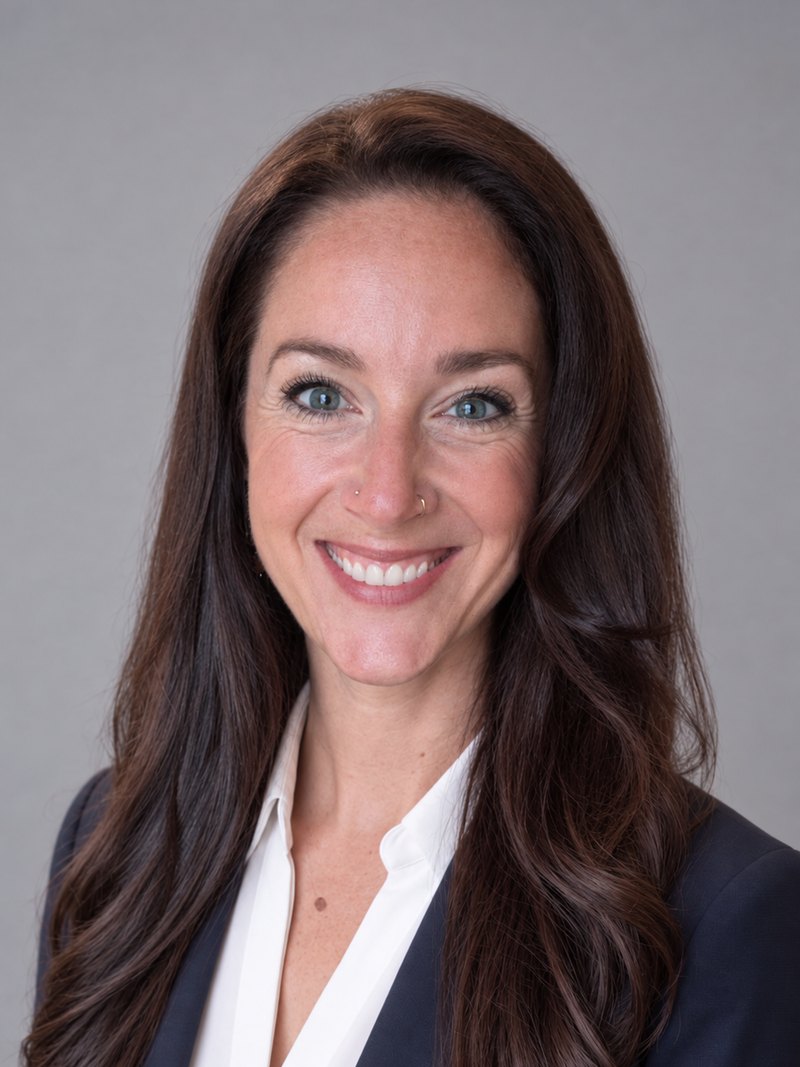
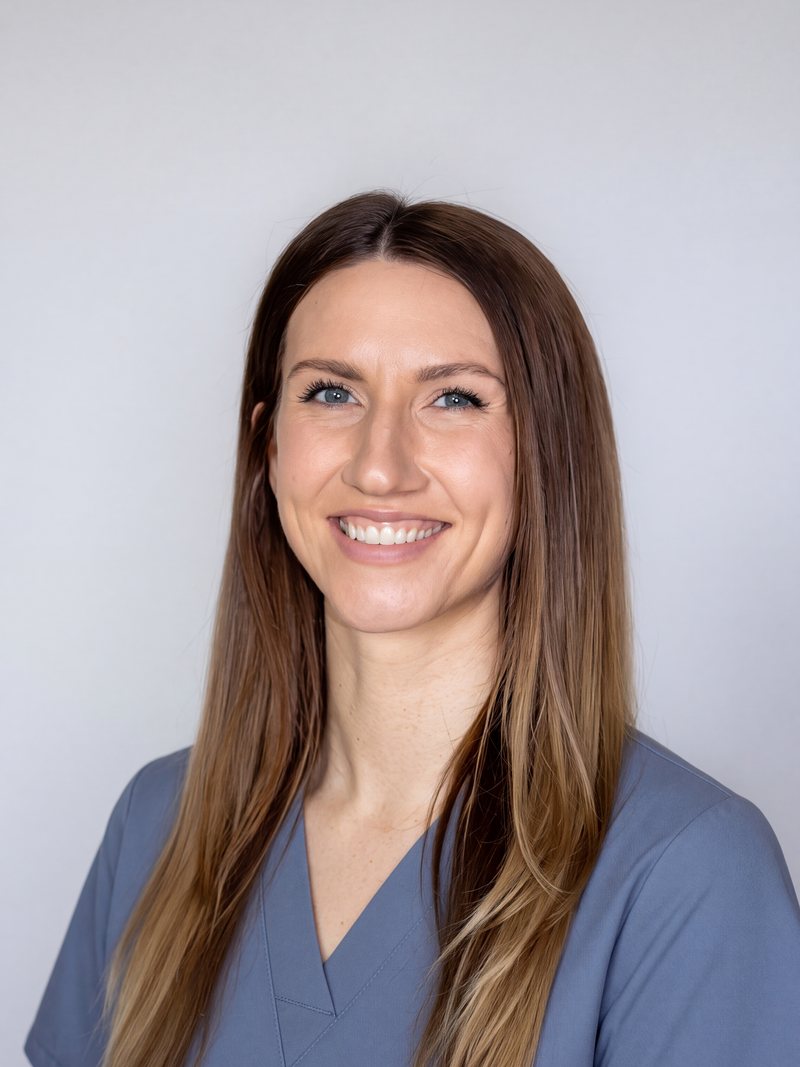
We have two registered massage therapists. Corinne Robinson is taking new patients at the moment; Alyssa Carey’s list is full, so if this would be your first massage with us, Corinne is the one to look for when you book.
Take care of yourselves,
Dr. Katie